Field notes: the week a dry spell made every field look the same
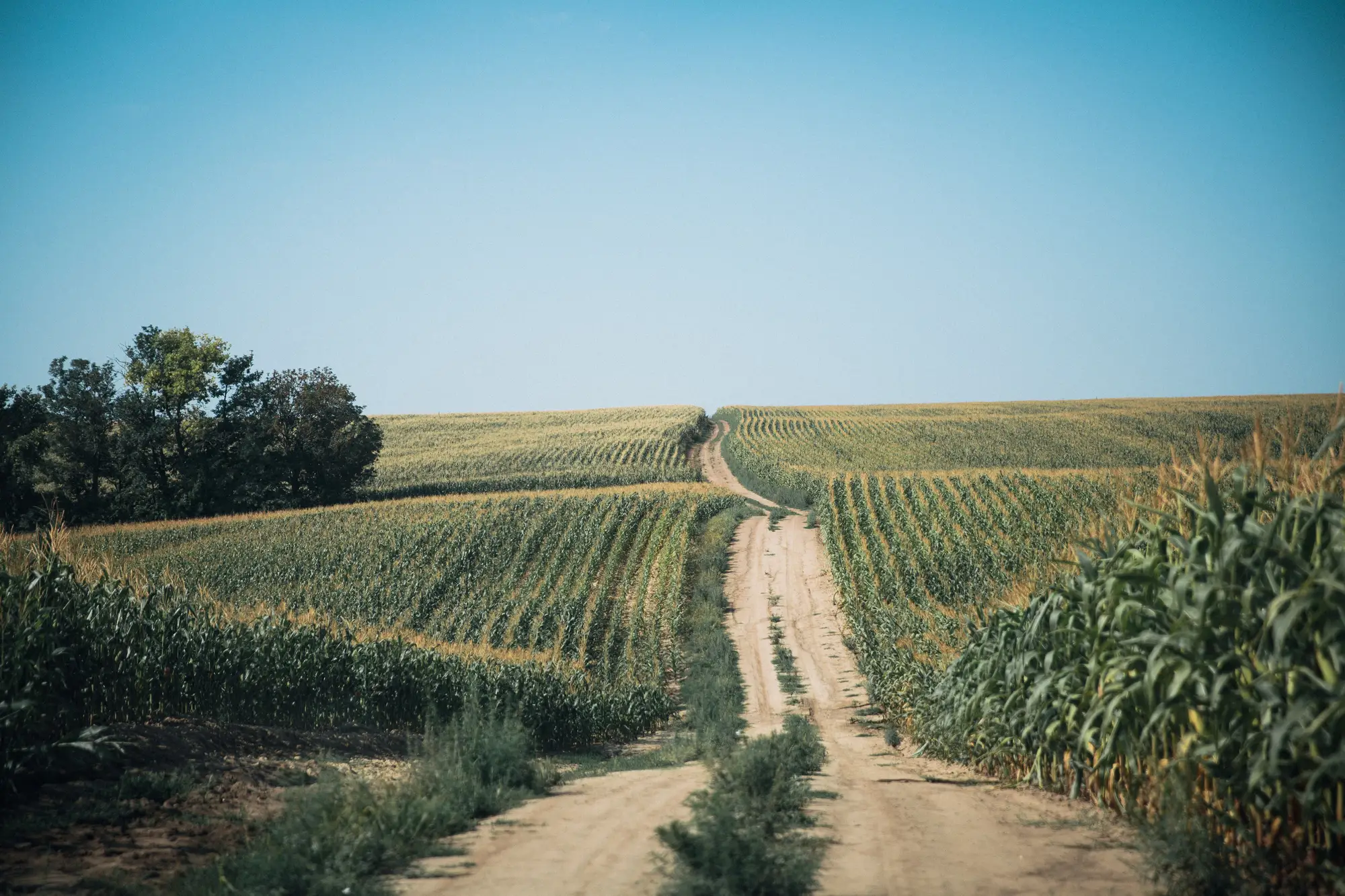
Three weeks without real rain and the whole route turns the same color. I drove forty-some miles last Tuesday between client fields and could not have told you, from the cab, which ones were short on nitrogen, which were just thirsty, and which had a salt problem creeping up from a low spot. Everything had that dull, grayish-green cast that dry weather puts on a crop no matter what's wrong with it.
This is the part of the job nobody mentions in the glossy stuff about precision ag. Most weeks, you can read a field by eye. Striping that follows an old fence line, a yellow wedge where the pivot doesn't quite reach, a dark green halo around a low spot that holds moisture. The canopy tells on itself. But put three weeks of heat and no rain on top of everything, and the crop stops showing you its problems individually. It just shows you stress, generically, everywhere, and the differences that matter get buried under the differences that don't.
I had two fields that week, about six miles apart, that looked nearly identical from the truck. Both had that tired, rolled-leaf look by two in the afternoon. Both had some yellowing low in the canopy. If you'd asked me to guess which one needed a nitrogen top-dress and which one had a salinity issue coming up from a seep, I'd have guessed, and I'd have had about a coin flip's chance of getting it right. That's just what a dry spell does to the eye. Water stress masks nutrient stress masks salt stress, and from forty feet away through a windshield, they all read as "the crop's having a rough week."
The old fix was to walk both fields, pull tissue samples, maybe run an EC meter through the low spots, and wait two or three days for results while the crop kept whatever problem it had. By the time you knew for sure, you'd already burned the window where a top-dress or a flush would've done something. The guess-and-check approach works fine in a normal year when the visual cues are still legible. It falls apart exactly when you need it most, which is during a stretch like the one we just had.
What actually separated those two fields turned out to be the kind of thing you can't see with your eyes but shows up clean in a red-edge and NIR read: one had a nitrogen deficiency signature that was distinct from pure moisture stress, and the other had a salinity pattern tracking a subsurface drainage line that didn't match either. Neither one was visible from the truck. Both were visible in a stress map that's already sorting the signal by likely cause instead of lumping it all into "stressed."
That's the whole case for flying these fields on a schedule instead of waiting until the windshield tells you something's wrong. A dry spell is precisely the condition that blinds the eye and exactly when the crop can least afford a few days of guessing. If you're running a route of twenty or thirty client fields and a dry week just erased your ability to tell them apart by sight, that's the week a weekly red-edge read that tags stress by likely cause earns its keep, because it's doing the sorting the crop stopped doing for you.
Next time the forecast shows ten dry days in a row, that's your cue to stop trusting the drive-by and start trusting the read. Worth a look before the next dry stretch does the same thing to your route.