How often should you fly a field during grain fill?
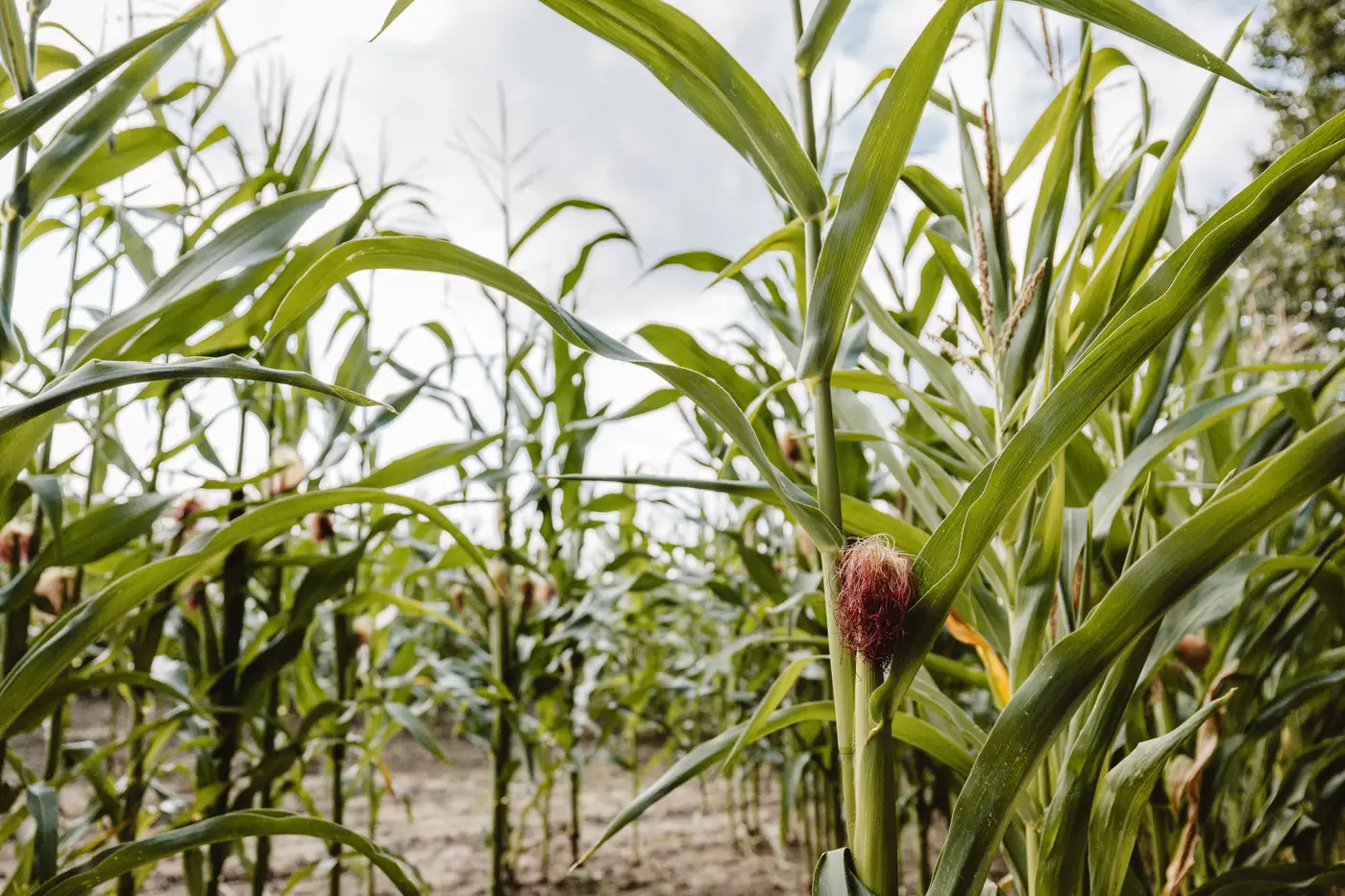
Grain fill is the window where a field either banks yield or quietly gives it back, and it's also the window where most consultants fly too little. By the time firing shows up on the lower leaves or you can eyeball a yellow strip from the truck, the plant has usually been stressed for a week or two already. Your interval needs to be tight enough to catch the problem while there's still a decision left to make, a rescue application, a call to the grower about irrigation timing, or at least a note in the file for the agronomy review.
Why cadence matters more here than at any other stage
Vegetative growth is forgiving. A corn plant at V8 that hits a dry week can shrug it off if rain comes back. Grain fill doesn't work that way. Once you're past pollination, the plant is running a fixed clock, roughly 55 to 65 days from R1 to R6 in corn, and every stress event during that window gets locked into kernel weight or pod count instead of getting compensated for later. A nitrogen shortfall at R3 shows up as lighter test weight at harvest whether you scouted it or not.
Weekly flights earn their keep specifically during this stretch. Pre-tassel, a two or three week gap between flights rarely costs you anything. Post-pollination through dent, it can cost a lot, because the things you're trying to catch, nitrogen pulling from the lower canopy, early drought stress before wilting is visible, salinity creeping in on the low end of a field, all move faster than your drive-by route lets you see.
What a weekly interval actually catches that biweekly misses
Nitrogen stress during grain fill follows a pattern: the plant cannibalizes lower leaves first, and that process from first yellowing to visible firing up the stalk can run its course in under two weeks. Fly every 14 days and you have a real chance of missing the early signal entirely, picking up the field only after firing has already climbed three or four leaves. Fly weekly and you catch it at leaf one or two, while a late-season N application still has time to pay back.
Water stress during grain fill is trickier because it's often intermittent, a dry week followed by a thunderstorm that masks the canopy stress from the ground but not from a red-edge read, which picks up on chlorophyll drawdown before the leaf itself visibly rolls or wilts. A biweekly flight can straddle that whole event and show you a field that looks recovered when it lost two weeks of fill under stress you never flagged.
Salinity is the slowest-moving of the three, usually tied to a low spot, a tile outlet, or irrigation water quality, and it's the one stress type where a monthly check looks adequate on the surface. The problem is salinity symptoms often overlap with nitrogen symptoms early on, and separating the two without a weekly trend to compare against means you're guessing which treatment applies.
Building the interval into a scouting route
Most consultants carrying 40, 60, 80 fields across a county don't have the windshield time to walk every acre every week during grain fill, which is exactly why a weekly aerial read earns its keep in this window. Crop Stress Map flies every client field weekly through the red-edge and NIR bands, separates nitrogen, water, and salinity stress by likely cause, and hands back a per-field map that tells you which fields actually need boots on the ground this week and which ones can wait.
If you've got clients spread across a county and a grain fill window that doesn't forgive a missed week, a weekly stress read built for exactly that cadence is worth a look.