How to build this week's scouting priority list from a stress map
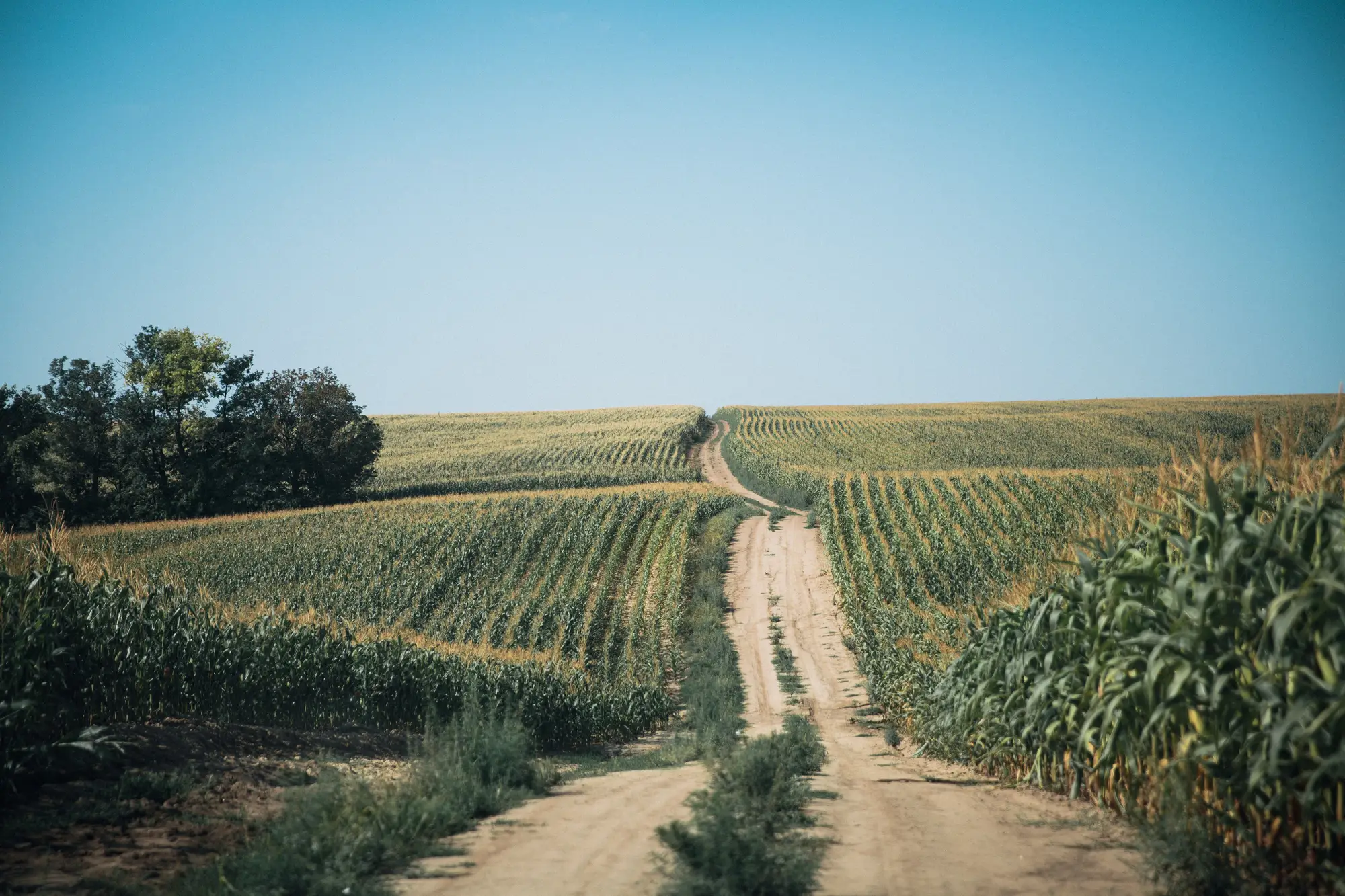
You've got forty client fields and two days before the next round of visits. A stress map doesn't do the scouting for you, but it tells you where the forty becomes twelve.
The real work is turning the map into a list you can drive, in an order that doesn't waste diesel.
Sort by cause before you sort by severity
Most consultants start by ranking fields on how bad the stress looks, darkest red first. That's backwards. A field showing nitrogen shortfall on a red-edge read is a different Tuesday than a field showing salinity in the same color band. The N field might wait a week if a sidedress pass is already scheduled. The salinity patch won't fix itself and needs ground-truthing before you write anything in the field book.
Pull the tagged cause off the map first. Split your list into three buckets, nitrogen, water, salinity, before you think about which field looks worst inside each bucket. Then rank inside the bucket by how much of the field is affected and how it tracks against what you already know about that client's irrigation schedule or last fertilizer pass. A ten-acre salinity patch near a tile line outranks a forty-acre pale-green nitrogen gradient most weeks, even though the gradient looks bigger from the cab.
Cross-check against what you already know
A stress map is a second opinion, not a verdict. Before you commit a field to this week's drive, run it against your own notes: planting date, hybrid, last tissue test, whether that quarter has a history of sodic spots. If the map flags water stress on a field you know just got rained on hard two days before the flight, that's worth a look but it's not an emergency. If it flags water stress on a field that's been dry on your end for three weeks, move it up.
This is also where you catch false urgency. Red-edge and NIR separate likely causes well, but they don't know your client called in a pivot repair yesterday, or that the field was topdressed Monday and just hasn't greened up on the image yet. The map narrows the guesswork. It doesn't replace the phone call.
Build the route, not just the list
Once you've got your ranked fields, don't drive them in strict rank order. Drive them in geographic order, with the top three or four non-negotiable regardless of where they sit on the map. A level-two nitrogen flag two farms over from a level-one salinity flag is a two-minute detour on your way to the real problem. Chasing severity rank over geography just means a second trip next week.
Keep the list to what fits in the day. A scouting list of twenty-two fields sorted by cause and color is still a bad day if you only get to nine of them before dark. Set a hard cap, somewhere between eight and fourteen fields depending on how spread your client base is, and let the map tell you which ones earn a spot, not how many you should try to cram in.
What this looks like week to week
The list changes shape with the calendar. Early in the season it's mostly nitrogen and emergence stress. By midsummer it shifts toward water and heat, and salinity tends to show up consistently in the same handful of fields you probably already know by name. After two or three cycles, you'll start recognizing which clients' ground throws false positives on the image, usually from residue or tillage patterns, and you can weight those down without ignoring them outright.
A weekly read that's already sorted by field and tagged by likely cause is what turns a stack of stress maps into a drive sheet you can hand yourself on Sunday night. That's the point of running a weekly stress read across every client field, flown at sub-10 cm so the gradients still hold up when you're standing in the row comparing them to what the plant is actually doing.
Pull this week's maps before you plan Monday's route and see how fast the list sorts itself.