Compaction stress vs. drought stress in corn: how to tell them apart
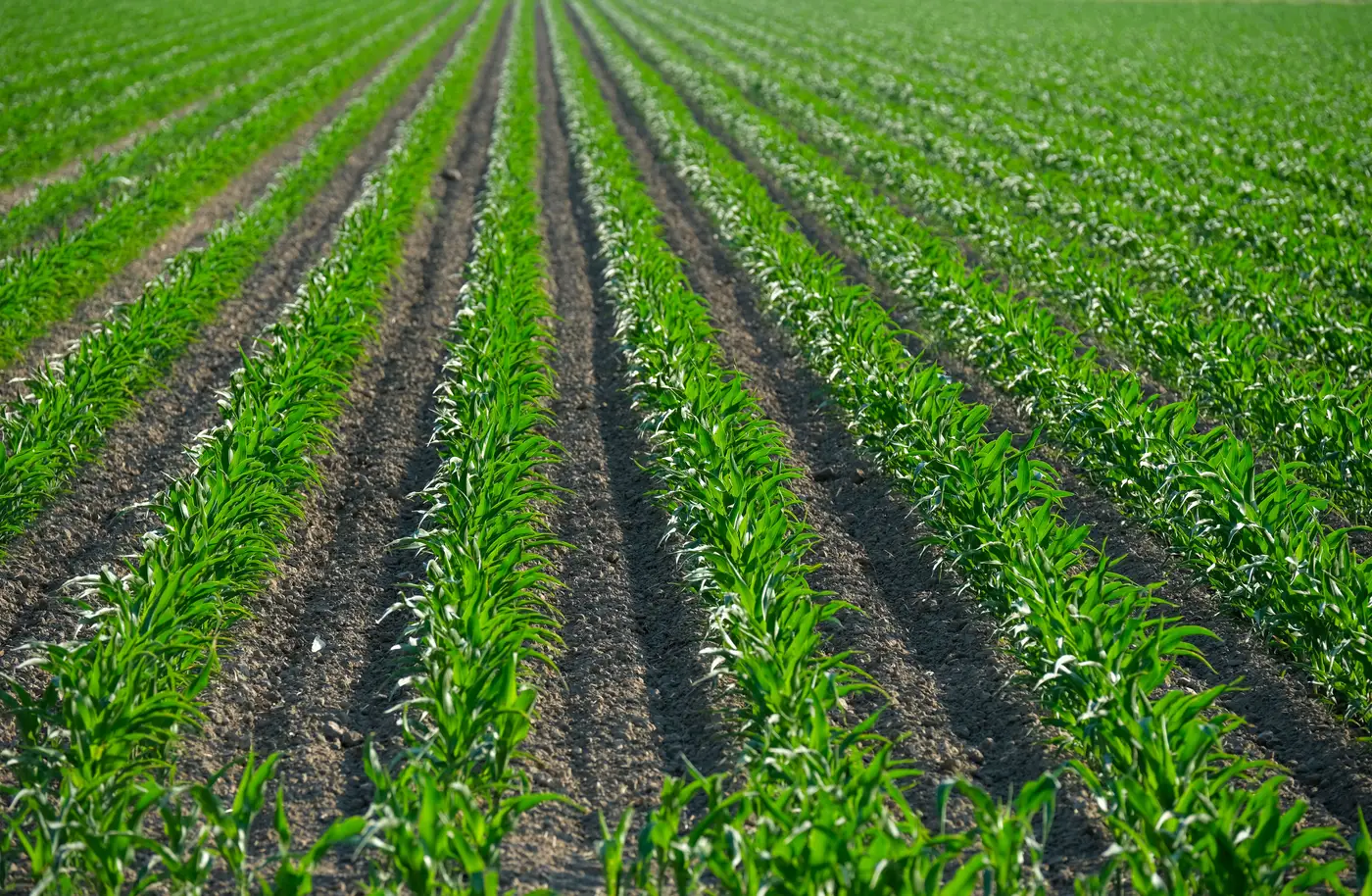
Corn that's rolling by 11 a.m. on a day that isn't even that hot gets blamed on drought nine times out of ten. Sometimes that's right. Sometimes you dig a plant and find a root system that stopped dead at eight inches, turned sideways, and never went down. That's compaction, not moisture, and treating it like a water problem wastes a season.
What drought stress actually looks like in the root zone
True moisture stress shows up more or less uniformly across a field. Sandy ridges fire first, clay depressions hold longer, and the whole pattern lines up with the soil map. Dig a plant in a drought-stressed area and the roots are there, just dry and wiry, often reaching further than normal as the plant hunts for water lower in the profile. Leaf rolling starts in early afternoon, and the plant usually picks up some color back by evening if there's any moisture at all below the dry layer.
Compaction stress does something different underground. Roots hit a pan, a smeared sidewall from a wet planting pass, or an old tillage layer, and instead of going down they turn and run flat, sometimes forming what looks like a pancake or a "J" shape right where they should be driving deeper. That plant can be sitting in soil with decent moisture six inches below the root ball and still fire, because the roots physically can't get to it.
Reading the pattern on the ground, not just the plant
The pattern on the ground tells you more than any single plant you pull. Drought stress follows soil texture and elevation. Compaction stress follows equipment. Walk a field and look for stress running in straight parallel strips the width of a combine or grain cart, spaced exactly like wheel tracks. That pattern comes from the axle, not the soil.
Headland stress that cuts off in a sharp line where the turning pattern ends is another tell. Drought doesn't know where the end rows are. Compaction does.
Sidewall compaction symptoms show up as a strip tight to the row, not between rows, usually from planting into soil that was a little too wet. Dig along that row and you'll find a smeared, almost glazed wall on either side of the seed trench instead of loose, crumbly soil. Roots can't punch through a glazed wall, so they stack up right at the seed and go sideways or even back up toward the surface. That plant looks like a drought plant from the cab but has been sitting on a field with plenty of moisture the whole time.
Misread a compacted field as a drought-stressed one and the recommendations that follow miss the actual problem. Irrigation scheduling doesn't open up a glazed sidewall, and a drought-tolerant hybrid pick for next season doesn't do anything about a pan sitting at eight inches. A drought call means watching the forecast and maybe revisiting seeding rate for next year. A compaction call means talking tillage depth, controlled traffic lanes, or just waiting on a freeze-thaw cycle to help break the pan up. Send a grower down the irrigation-scheduling path for a sidewall problem and you'll get a confused agronomy bill and a field that still looks bad three weeks later.
A faster way to tell them apart before you dig
Digging roots in every weak spot across a client list turns a scouting day into a scouting week. A red-edge and NIR read flown over the field will usually show the wheel track pattern or the headland cutoff before you ever walk a row, which tells you where to start digging and where not to bother. If the stress follows the planter and the combine, you already have your answer without pulling a single plant. If it follows the soil map instead, that's your drought call.
Crop Stress Map flies that read weekly and tags each field's stress by likely cause, so a field showing a straight-line wheel track pattern or a planter-width strip gets flagged separately from one that's just dry. That narrows a forty-field client list down to the handful worth a truck trip this week.
Pull up this week's read before you plan tomorrow's route.