Tissue test vs imagery: when you still need to pull leaf samples
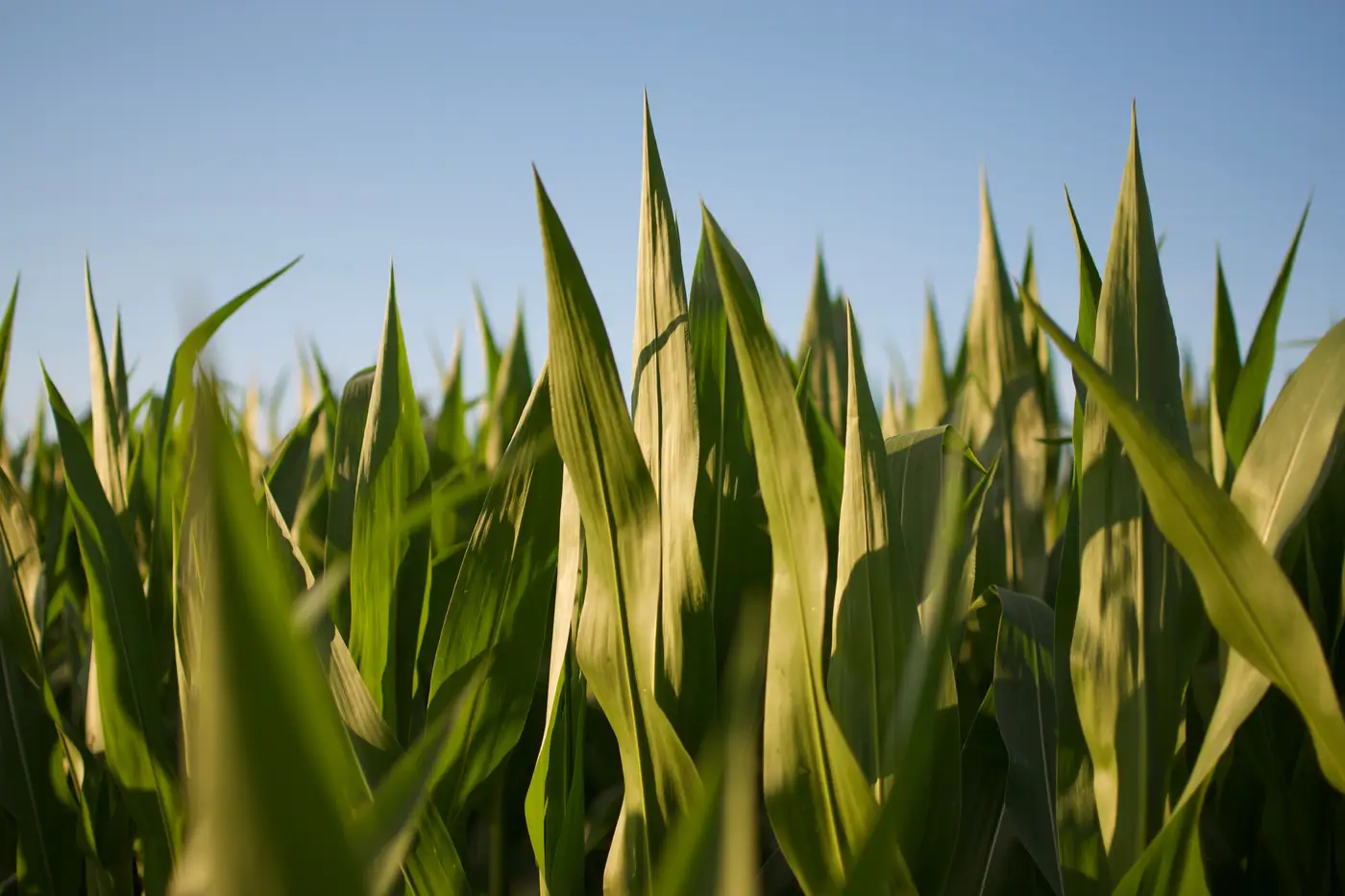
A red-edge map tells you where a field is hurting. It doesn't tell you why, not with the certainty a lab report gives you, and it doesn't tell you exactly how bad until you've got a number from a sheet of paper. That's the whole point of tissue testing, and it's also why consultants who lean too hard on imagery alone end up making a nitrogen call that turns out to be salinity, or a water call that turns out to be a potassium deficiency riding shotgun with drought stress.
The honest answer to "tissue test or imagery" is both, used in the right order. Imagery does the triage. Tissue sampling does the confirmation.
What imagery can and can't tell you
A stress map built from red-edge and NIR reflectance separates stressed canopy from healthy canopy, and a decent one will flag whether the signature looks more like a nitrogen shortfall, a water deficit, or a salinity pattern based on how the stress is shaped and where it sits in the field. Salinity tends to show up in low spots and along old tile lines. Water stress follows topography and compaction zones. Nitrogen shows up as a uniform gradient that often tracks a fertility history or a variable-rate pass that didn't quite hit its target.
What it can't do is give you a petiole nitrate number, a sufficiency range comparison, or a cation balance. It can't tell you if you're looking at a true nutrient deficiency versus a root system that can't take up what's already in the soil because of saturated conditions or herbicide injury. Those two things can look nearly identical from the air for a week or two before they diverge.
So the map's job is narrowing forty fields down to the four or five that need a visit this week. The tissue test's job is telling you what to write on the recommendation.
When to pull the sample
Timing matters more than most people treat it. Petiole sampling for nitrate, especially in cotton and potatoes, has a narrow window where the number means anything. Pull too early and you're reading luxury consumption. Pull too late in a field that's already cutting back nitrogen uptake naturally as it moves into reproductive stages, and a low number doesn't mean what you think it means. Most labs want petioles from the most recently matured leaf, pulled mid-morning after the dew is off but before the heat of the day starts pulling moisture out of the tissue unevenly.
For row crops running a whole-leaf dry tissue test, pick a defined growth stage and sample there every time. V6 corn and early tasseling corn give you two different sufficiency tables, and mixing them up will have you chasing a deficiency that's just a stage-appropriate drop in concentration.
The practical move, once a stress zone shows up on a weekly read, is to sample inside the stressed area and immediately outside it in the same pass. That paired sample, stressed versus clean, is worth more than either one on its own. If both come back in the sufficiency range, you're probably not looking at a nutrient problem at all, and that pushes you toward water or a root-zone issue like compaction or salinity that a tissue test won't catch but an EC reading or a probe will.
Confirming the call before you write the recommendation
A stress zone on a map is a hypothesis. A lab result is the part you can defend to the grower, and the part that keeps you from writing a foliar nitrogen recommendation on a field that's actually fighting salt. The two tools aren't competing for the same job. One tells you where to spend your Tuesday. The other tells you what to do once you're standing in the row.
If you're running more than a handful of client fields, a weekly stress read that separates likely nitrogen, water, and salinity signatures before you leave the truck makes the tissue sampling decision a lot cheaper, because you're only pulling samples where the imagery already gives you a reason to. That's the approach behind Crop Stress Map's weekly field-by-field read.
Worth a look before your next scouting pass, if you want to stop guessing which fields earn a tissue sample this week.